Spire Knowledge Archive · Card Studies

Card Lore & Deck Decisions

Deckbuilder · Card Evaluation · Synergies · Ascension Strategy

Treat every card like a field report from the Spire. This archive helps you read, rank and recruit cards that actually carry your run, from A1 learning climbs to brutal high-Ascension pushes.

Tip: When in doubt, skip. A lean, purposeful deck almost always outperforms a pile of "pretty good" cards.

Flag cards that only shine with specific relics or archetypes in mind. Treat them as routes, not auto-picks.

Card Studies

The Adventurer's Reference Sheets

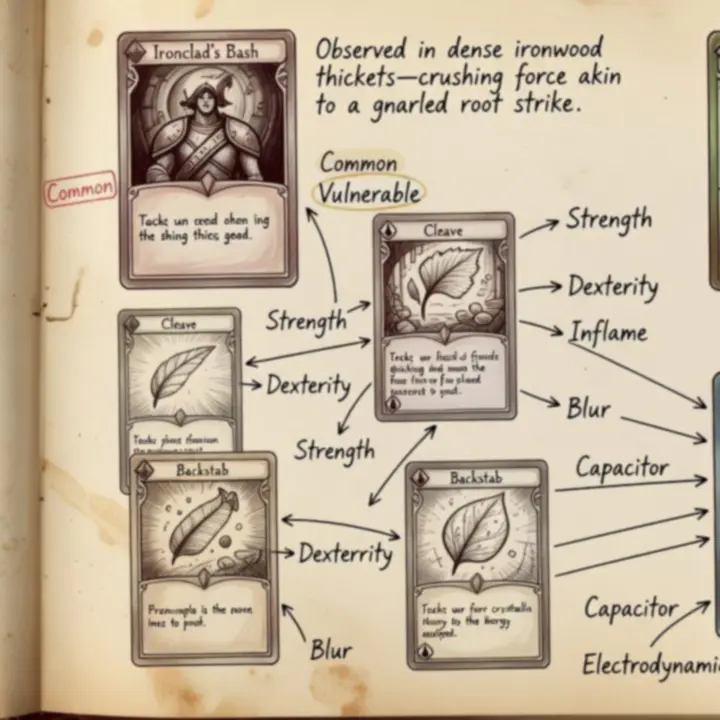
Bash

Starter attack · Vulnerable enabler

Field Notes

Bash is the baseline lesson in why debuffs matter. Early on, it amplifies every follow-up attack; later it competes with more efficient Vulnerable sources.

  • Early fights: Solid if your deck is mostly Strikes and you need clean two-turn kills.
  • Mid-run: If you pick dedicated Vulnerable cards, consider removing Bash to keep your deck lean.
  • Ascension: Vulnerable windows are tight; make sure the energy and turn spent on Bash actually flips the fight.

Synergy Notes

  • Core with: Big single-hit attacks, strength scaling, vulnerable-focused relics.
  • Avoid with: Claw-like multi-hit archetypes where other debuffs or orbs do the heavy lifting.
  • Removal priority: Medium. Upgrade first if it defines your early route, remove once better options appear.

Mark Bash as a "skill teacher" card: brilliant early lesson, often retired once the deck graduates.
Deflect

Cheap block · Hand smoothing

Field Notes

Zero-cost block smooths awkward hands and lets you commit energy to scaling plays. The trap is overloading on small block while ignoring real defence.

  • Deck size impact: Low-cost cards are not free if they dilute your premium defence draws.
  • Combo value: Strong in decks that reward playing many cards per turn.
  • Route impact: Lets you path more aggressively through hallways, but does not alone justify risky elite routes.

Synergy Notes

  • Core in: Shivs or zero-cost spam builds that aim to chain skills.
  • Support in: Slow scaling decks that need to bridge the first two turns.
  • Skip when: You already have reliable block engines or your deck is pivoting into heavy attack focus.

Star zero-cost cards that genuinely enable your win condition. Cross out the ones that just feel nice to play.

Parchment-style Slay the Spire card reference sheets with annotated notes and stamped labels
Reference sheets help you rehearse decisions before the Spire tests you for real.

How to Read a Card

Spirefield Annotations

Most runs are lost not to a single bad card, but to a long series of half-considered picks. Learning to read a card like a field agent changes that.

Anatomy of a Decision

Whenever you hover a card, trace this mental checklist:

  • Energy & timing: Can your current deck comfortably spend this energy on the turn it matters?
  • Immediate impact: Does the card stabilise the next few fights or only promise future value?
  • Synergy hooks: Which relics or archetypes make this card snowball? Are any already present?
  • Floor vs ceiling: How bad is the card in its worst draw, and can you live with that?

Underline numbers that win fights now. Circle keywords that scale with the rest of your kit.

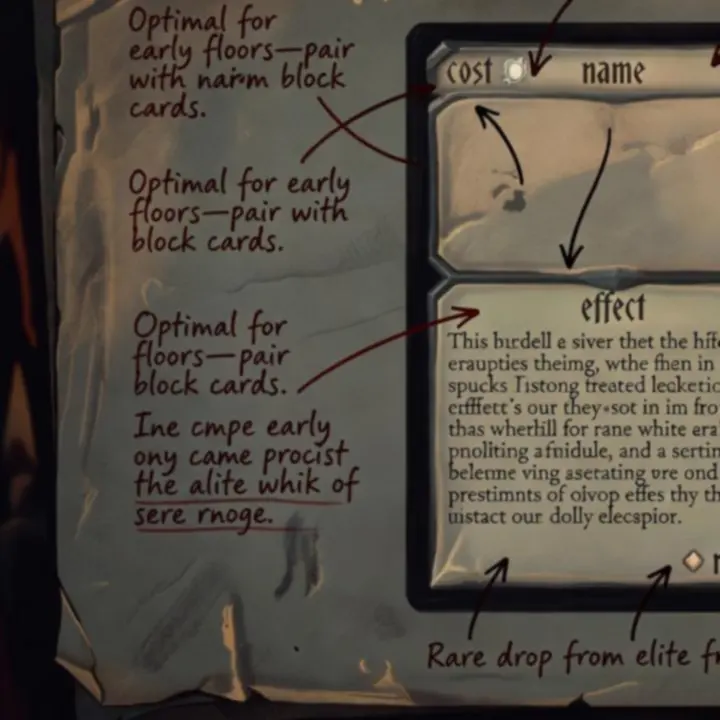
Hand-illustrated Slay the Spire style card annotated with cost, effects and synergy hints
Treat card frames as maps: cost tells you where it fits in the turn, text tells you when it matters, synergies tell you who it wants to travel with.

Decision Framework

Evaluating Cards for Your Deck

Step 1 · Does this card solve a real problem?

Identify the fights worrying you on your current route. Does the card meaningfully help with damage, defence, scaling, or consistency in those encounters?

If not: Lean skip.

Step 2 · Deck size & draw rate

Ask how many turns you expect per fight. In short fights, extra setup cards often never fire; in long runs, lack of scaling is fatal.

Note: most A1-A5 hallways end in 3–5 turns.

Step 3 · Synergy or solo carry?

Some cards are fine independently; others need clear support. Only take synergy-reliant cards if you already have key pieces or know where to find them on your path.

Step 4 · Upgrade priority

Great cards that never get upgraded can underperform. If a pick jumps to the top of your upgrade list, it is usually worth taking.

If it competes with critical upgrades: reconsider.

The Power of Skipping

Every skip is a vote for consistency. On higher Ascension, skipping average cards is often the only way to keep your plan coherent. If a card is merely "fine", imagine drawing it instead of your best card in a lethal turn—does your win rate go up or down?

10 New Climbers Edition

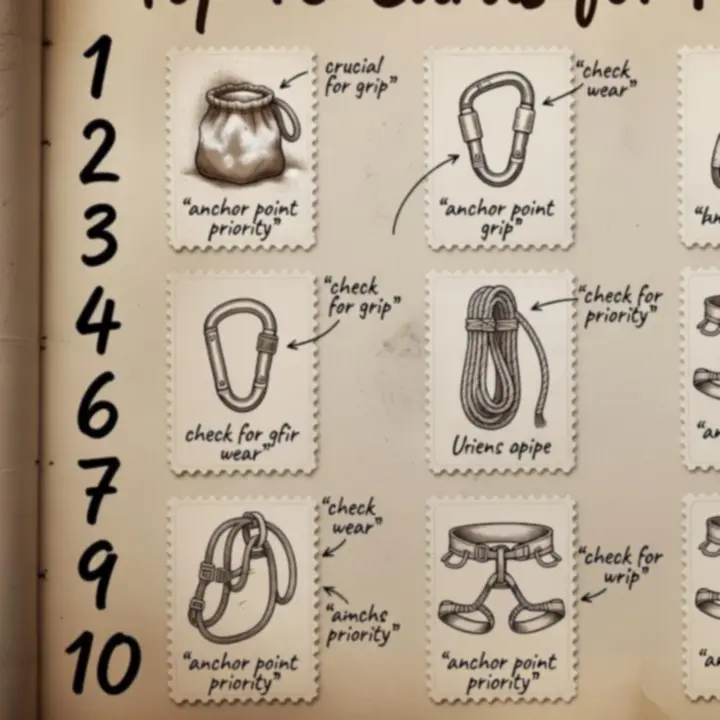
Top 10 Cards for New Climbers

These cards teach fundamentals: efficient damage, clean defence, and simple scaling. They are not always the "strongest" on paper, but they reliably carry newer players while showcasing good habits.

  1. 1. Reliable Blocker

    Any card that blocks for ~12 or more at 1 energy (after upgrades) teaches you how crucial front-loaded defence is.

    Journal note: "If this card was in my opener, would I be calm?"

  2. 2. Simple Strength Scaling

    Clean, incremental strength gain that does not require clever sequencing. Great for learning when to spend a turn on setup.

  3. 3. Multi-Use Skill

    Cards that both block and offer utility (draw, weak, exhaust) demonstrate why flexibility beats raw numbers.

  4. 4. Efficient AoE Attack

    Hallway fights kill new climbers. A solid area-of-effect card turns scary triple-enemy rooms into free wins.

  5. 5. Targeted Debuff

    Weak, Vulnerable or Frail sources that come with good numbers teach the value of manipulating enemy intent.

  6. 6. Low-Risk Draw Engine

    Gentle card draw with block or chip damage encourages you to explore cycling without bricking your hand.

  7. 7. Exhaust-based Clean-Up

    Exhausting Strikes/Defends or statuses reveals how trimming your deck mid-run raises your average turn quality.

  8. 8. Scaling Power with Defence

    Cards that reward blocking while scaling damage or value reinforce that you do not have to choose between safety and progress.

  9. 9. Safe Finisher

    High-damage finishers with reasonable energy costs demonstrate when it is worth holding a card to close a fight.

  10. 10. Panic Button Replacement

    Emergency tools that stabilise a disastrous turn teach you to respect spikes in boss damage and plan for them.

Top 10 cards spread across an illustrated expedition journal with large numbers and field notes
Use this spread like a checklist after each loss: which lesson card did you wish you had?

Once you feel these cards "click", start asking the harder question: what happens to my deck if I don't take this?

Long-Run Power

Scaling Cards: Building Power for Long Runs

Scaling cards trade early tempo for overwhelming late-fight strength. Good climbers learn when they can afford that trade; great climbers sculpt their entire route around making it pay off.

Linear vs explosive scaling

Linear scaling offers predictable gains each turn (e.g. steady strength or block growth). Explosive scaling has low impact until a threshold, then takes over the fight.

Explosive plans need draw and defence to survive the "dead" turns.

Scaling bandwidth

How many turns does a typical elite or boss live against your current deck? If you already close fights quickly, extra scaling may be redundant.

Cost of entry

Count the real cost: energy, card slots, upgrades, and relic support. A 2-energy scaling card that sits unplayed in half your hands is effectively a curse.

Fail states

Always write down what happens when scaling pieces fail to appear together. Can the rest of your deck still win key fights?

Safe fights to grow power
Check if scaling is online before committing to elites
Boss fights that demand scaling answers

Card Synergies

Card Synergies and Archetypes

Strong single cards keep you alive; strong synergies end fights on your terms. The trick is not forcing archetypes that the Spire simply isn't offering.

Core vs Support Cards

Core cards define your win condition: scaling engines, premium defence, or powerful finishers. Support cards help those core cards appear, connect, and survive bad draws.

Good decks have far fewer cores than most players think. Aim for 3–6 cards that truly define your plan; everything else should justify its slot by supporting those pieces.

Pin your "core" to the top of your mental board. If a new pick does not help one of them, question it.

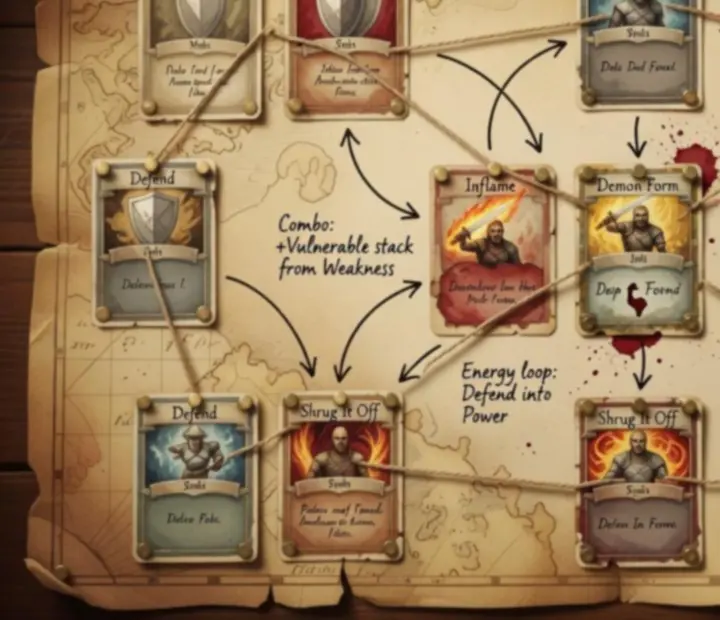
Strategist's pinboard with clusters of cards linked by strings, showing core and support synergies
Imagine each string is a turn where two cards appear together. Thicker strings mean more consistent wins.

Rarity & Route Planning

Rare, Uncommon & Common: Understanding Card Rarity

Rarity is not a power rating; it is a frequency signal. Commons shape most runs, uncommons refine your plan, rares are spikes that can re-write your route.

Common cards

These form your everyday toolkit. Plan around seeing them often and upgrade the ones that best match your route (AoE, block, cheap attacks).

Uncommon cards

This tier holds many of the best role-players: efficient defence, targeted scaling, and flexible skills. Choose the ones that reinforce your emerging archetype.

Rares and Route Commitments

Rares often demand real concessions: taking extra elites for upgrades, pathing to specific events, or buying support pieces from merchants. Before snapping one up, ask where your next three upgrades and removals are coming from.

Gold stamp a rare only if you're happy changing your route for it.

Unusual Cards

Status, Curse & Colourless Cards

Status Cards

Status cards are temporary penalties usually generated by enemies or your own cards. They slow your turns but vanish at the end of combat.

Plan: Decide if you want to avoid them (block, weak, faster kills) or profit from them (exhaust synergies, draw filtering).

Curses

Curses linger between fights and quietly tax your consistency. That does not mean they are always wrong—some relics or events justify one or two.

Rule of thumb: each curse is roughly worth a removal plus a chunk of HP unless your deck abuses exhaust or discard.

Colourless Cards

Colourless cards are often high-impact, low-frequency effects. Evaluate them by how they change your worst turns, not your best.

Oddball Decks

Leaning into statuses, curses or colourless packages can produce some of the most memorable runs. The key is committing early and respecting consistency:

  • Track how many dead or low-impact cards you are carrying.
  • Prioritise draw, exhaust and scry to stabilise.
  • Adjust your path to avoid extra curses if you are already at your limit.

High-Pressure Runs

Ascension Picks: Cards That Shine Under Pressure

What Changes on Higher Ascension?

Enemies hit harder, scale faster, and punish slow starts. High-Ascension decks value floor (minimum performance) even more than ceiling.

Look for cards that:

  • Provide immediate block without awkward conditions.
  • Offer front-loaded damage to clear small enemies quickly.
  • Scale while blocking, letting you survive and grow in the same action.
  • Clean up statuses and curses so your key pieces appear on time.

Mark cards that feel "boring but safe"—those are often your MVPs past Ascension 15.

Practical Drafts

Card Draft Scenarios: Walkthroughs and Diagrams

Scenario 1 · Early Elite Plan

You plan to hit two elites in Act I. Your options: mid-tier attack, solid block, or minor scaling.

Pick: take the solid block unless your deck already over-defends. Surviving elite spikes is worth more than fancy setups.

Scenario 2 · Post-Elite Reward

After beating an elite, you see a risky scaling rare, a consistent uncommon, and a safe common upgrade target.

Pick: if your HP and route can support another elite, consider the rare; otherwise, favour the consistent uncommon that smooths your next few fights.

Scenario 3 · Bloated Deck

Mid Act II, your deck is already large. The reward offers another decent attack, a niche skill, and a clear skip.

Pick: skip. Commit to removals and upgrades instead of adding more "fine" cards.

Remember: a skip is a choice, not a failure.

After each run, replay three key drafts in your head. What did you expect to happen, and what actually happened?

Community Reference

Frequently Asked Card Questions

Got a knotted card question that is not listed here?

Send a card query to the archive keepers