
Featured Relic Study
The Lizard Tail
Effect in play: The Lizard Tail revives you to a portion of your max HP the first time you would die in combat. On paper it is simple; in practice it rewires how you value risk.
Strategic usage notes:
- Permission to path aggressively: With a spare life banked, you can justify extra elites on Act 1–2 and choose riskier events that might brick a run without backup.
- Buffer for learning new lines: When you are testing unfamiliar decks or archetypes, Lizard Tail lets you explore unfamiliar lines without instantly losing the run.
- Insurance, not a plan: You should still route and defend as if it does not exist. The value is in the one fight where variance spikes against you.
Signature risks:
- Overconfidence tax: Many players subconsciously spend the Tail on fights they could have played clean. Track when it triggers and ask if that fight was necessary.
- False scaling comfort: Reviving into a scaling enemy you cannot actually beat just stretches out the loss. Respect fights like Book of Stabbing and elites on high Ascension even with Tail in hand.
Synergy hints:
- High-tempo openers: When you lean into early aggression (e.g. strong multi-attack cards), Lizard Tail lets you target elites to lock in snowball relics.
- Combos with chip healing: Paired with small but repeatable healing effects, reviving mid-run means you can convert the second life into multiple extra fights.
- Boss relic gambles: On Act 1, Tail supports greedier boss relic picks and riskier skips of safe options, particularly if your base deck already feels stable.
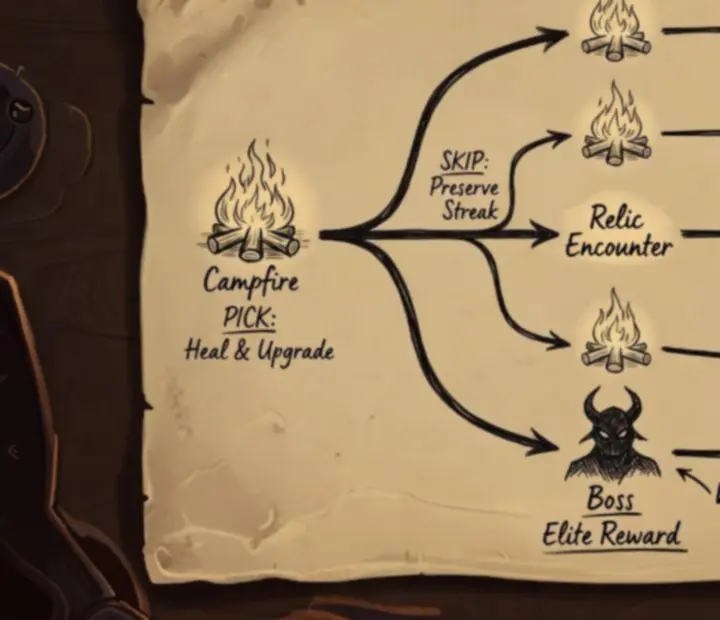
Field note: A Tail-triggered survival into a campfire is worth more than into a dead-end merchant. Plan your route around the worst-case fight.